
Historic craftsmanship
What is historical craft?
For us, it is about preserving intangible and tangible cultural heritage by practicing traditional crafts with various techniques, tools and materials.
At Stiklestad we work with historical crafts both at the medieval farm Stiklastadir and at the folk museum. Through the construction of Stiklastadir with its longhouse, guest loft and barn, stables and cottage, we have acquired unique knowledge of building techniques and tools from the Viking Age and the Middle Ages.
The knowledge of restoration, use of materials and tools related to the folk museum's over 30 buildings from the 16th-1900th centuries is also extensive. Here, work is carried out on regular maintenance, but also on larger relocation and restoration projects such as Ingvaldsengården with the carpentry workshop and Rye.
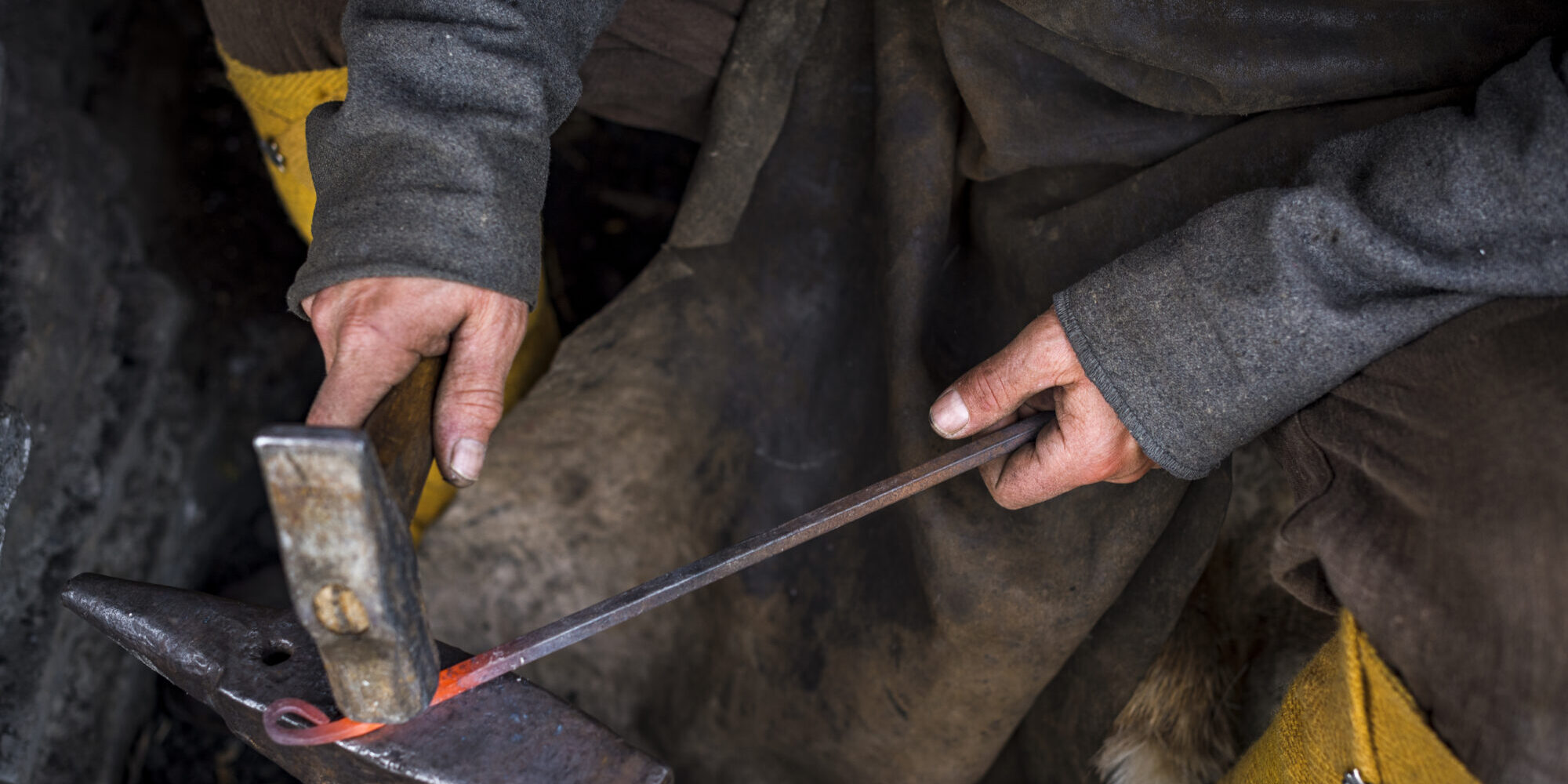
What do we do?
Historical craftsmanship - from the Viking Age to the present day - in everything we do!
Folk Museum - solid craft research and lively communication of historical crafts and building practices
The Folk Museum is the core of the open-air museum in Stiklestad. 32 buildings show building practices and craft development in Central Norway from the 1600th century to the 1900th century. The museum area has undergone major changes in recent years, and extensive restoration projects have provided good opportunities for craft research, education and dissemination. Buildings that came to the museum a long time ago have been given new life, such as the small farm Rye, which has now been restored to its original simple splendor. Buildings of cultural and historical value, such as Ingvaldsengården with a complete carpenter's workshop from the early 1900th century, have come to the museum. In these extensive relocation and restoration projects, the focus has been on the craftsmanship, materials and building practices that the houses represented in their time. We have educated and increased the competence of both ourselves and, not least, students in traditional building crafts at NTNU and students in upper secondary school. Visitors get to meet the craftsmen and the craft up close.
Maybe we can get more people to think like us; that historical craftsmanship is not just about museums and the past, but must be included when we are going to take care of the architectural heritage and build good, lasting houses for the future!
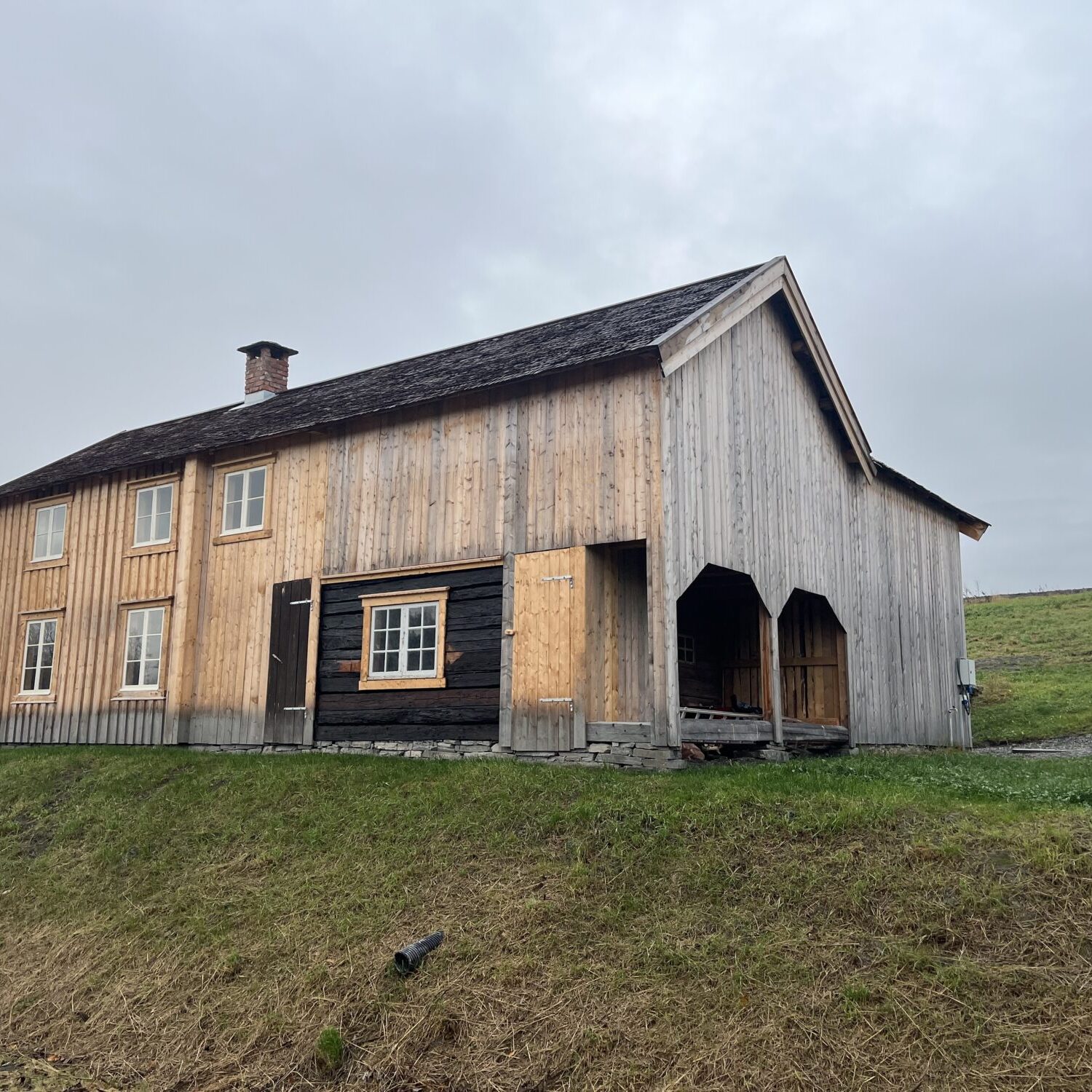
Stiklastadir Medieval Farm - craftsmanship and engaging communication for 20 years
Since the longhouse was completed in 2009, the medieval farm Stiklastadir has acquired a number of buildings and is approaching a complete farmyard. Although the plans have been revised over the years, and houses have been moved and changed, we have stuck to our main direction; knowledge-based craftsmanship and engaging communication in credible surroundings!
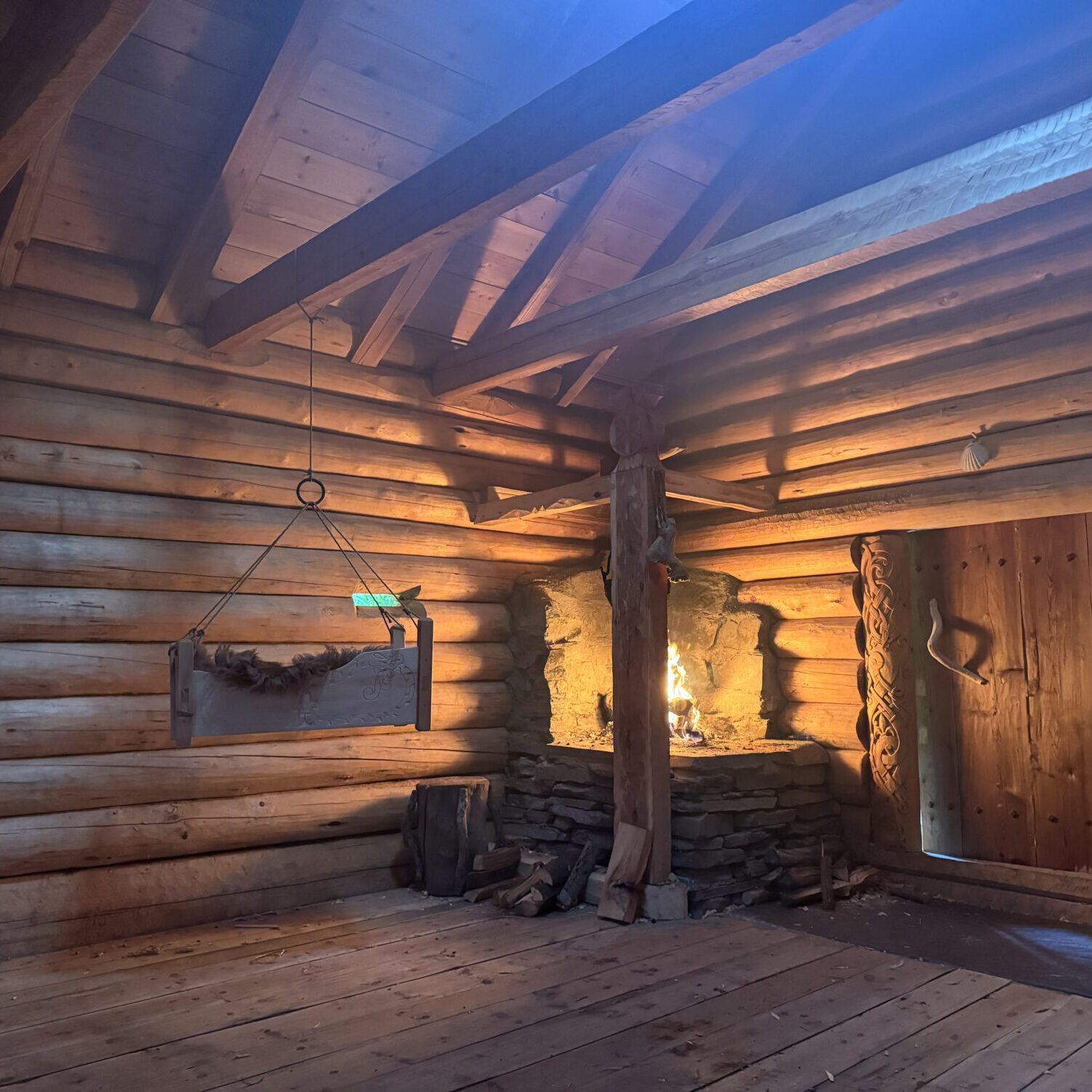
The latest addition to the building stock is Stuggu. Stuggu (living room, stove) represents the dwelling house from the early Middle Ages, around the year 1000-1100. We have taken the models from the oldest timbered dwelling houses we find traces of in Norway, two-room living rooms with an open corner fireplace of which archaeological traces have been found dating back to the end of the 900s. For this project, we have searched a number of sources in advance, we searched in archaeology, looked at the oldest standing timbered buildings we have, documented craft processes and conducted craft research both before and during the construction. Perhaps the most important thing is that much of this has been done together with students and pupils, and that we convey the craft and the thoughts behind it to interested visitors. Stuggu is now in place, and there is fire in the oar.
We are not finished yet, in the years to come there will still be more buildings and activities at Stiklastadir, so there is always something new to see. Welcome to stop by!
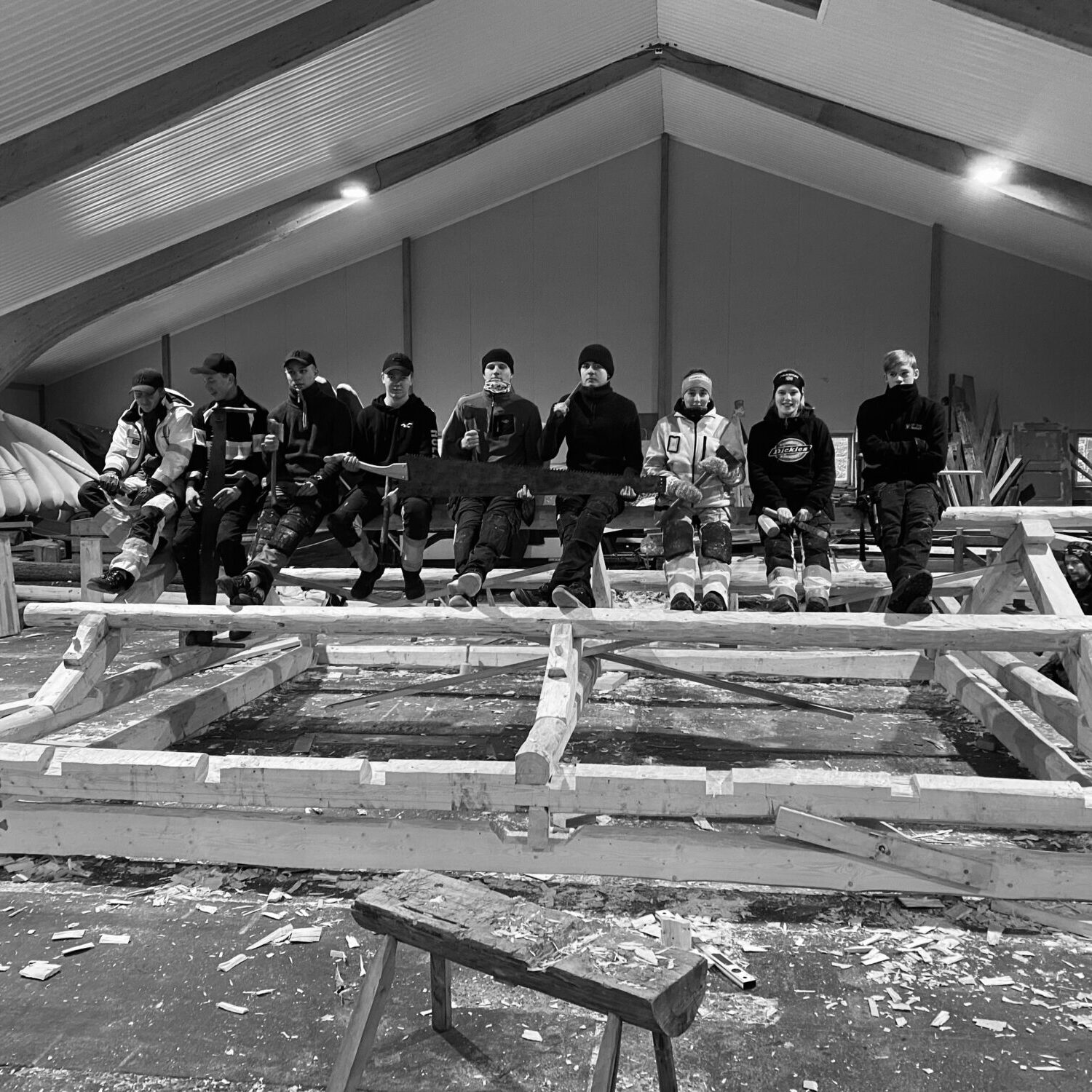
Knowledge transfer, competence building, collaboration and research
Stiklestad National Cultural Center will contribute to increased knowledge transfer and competence building about historical craft techniques, with a special focus on youth, students and pupils. Together with voluntary organizations, companies, municipalities and the county, we will do our part to increase interest in the field, ensure recruitment and develop and build collaboration and networks within traditional crafts, building conservation and cultural environment management. We also have an ambition to increase our research within crafts, materials and techniques, to increase both our own and others' understanding and knowledge.
As a museum, we have a responsibility to work with intangible cultural heritage. Our main approach to this is our focus on historical craftsmanship. The museum statement "Museums in Society — Trust, Things and Time" emphasizes that it is an important task for museums to facilitate the preservation of craft traditions and cultural expressions. In recent years, the Stiklestad National Cultural Center has strengthened its expertise and knowledge of historical craftsmanship in several areas. Through the construction of the medieval farm Stiklastadir, we have acquired unique expertise in medieval building techniques and tools, and the knowledge of craftsmanship, use of materials and tools associated with the folk museum's buildings is also constantly developing.