
FIELD
The Folk Museum
Open-air museum with over 30 buildings that show building practices and living conditions in Verdal and Innherred from the 16th to the 1900th century.

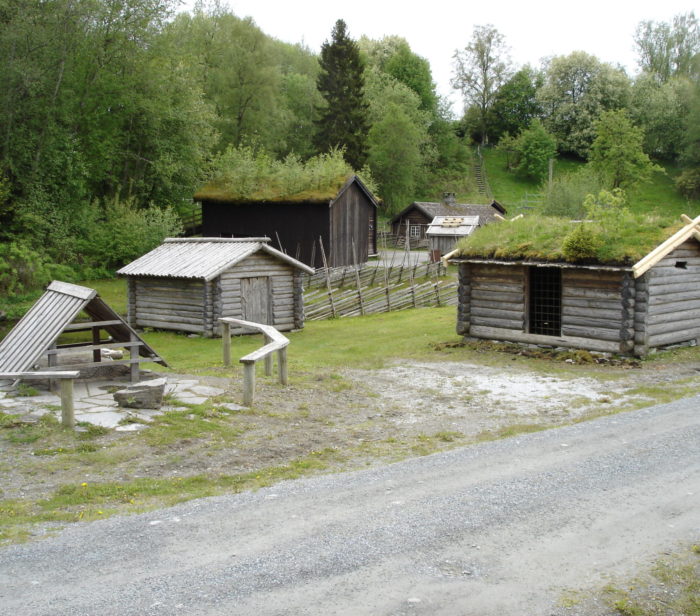
The Folk Museum at Stiklestad consists of over 30 buildings that show building practices and living conditions in Verdal and Innherred from the 16th to the 1900th century. The museum area is beautifully located along the Korsådalsbekken stream, a short walk east of the cultural center. The museum area can be visited all year round, with a ticket in the summer season during Viking Summer.
To read more about Viking Summer, click HERE.
The museum area
The Folk Museum was established in 1927, and the first buildings were erected on the museum's first site, "Verdølatun" by Verdalsøra. When Verdal municipality bought land for the polling place for the "Game of Saint Olav" in Stiklestad in 1951, the museum got land nearby. The buildings were then moved from "Verdølatun" and gradually the museum has developed to the scale it has today.
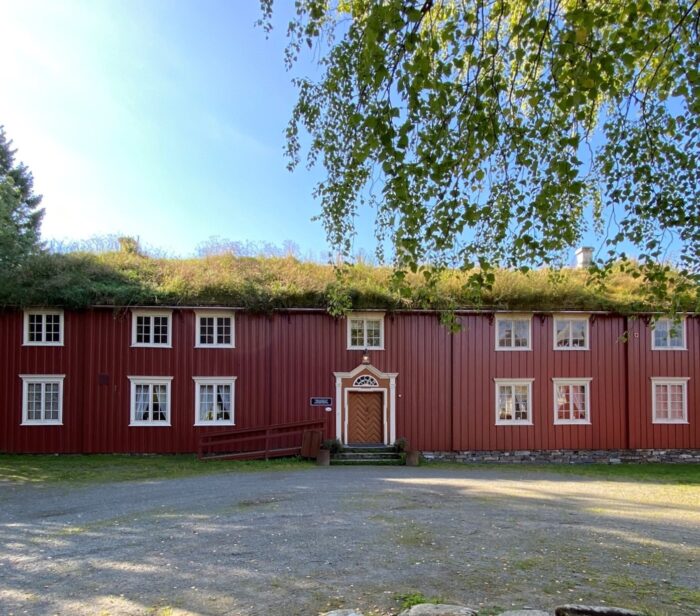
Most of the buildings and objects document the old farming community in Verdalen and the surrounding villages. Molåna shows what the main building on a larger farm might have looked like. Almoåsstuggu represents the large middle class of farmers, and in Rye we can get a sense of the living conditions for people on small farms and homesteads towards the end of the 1800th century. Beyond the 1800th century, society became increasingly specialized, and an incipient industrialization also made itself felt in the villages. The baker lived in the bakery and the merchant in the crofter's hut. The road guard had his own living room and the blacksmith gradually became a more specialized craftsman than a farmer. The carpentry workshop in Ingvaldsengården was one of the first houses in Verdal to have electricity installed in the early 1900th century, electricity that provided work lighting in the workshop and powered modern carpentry machines.
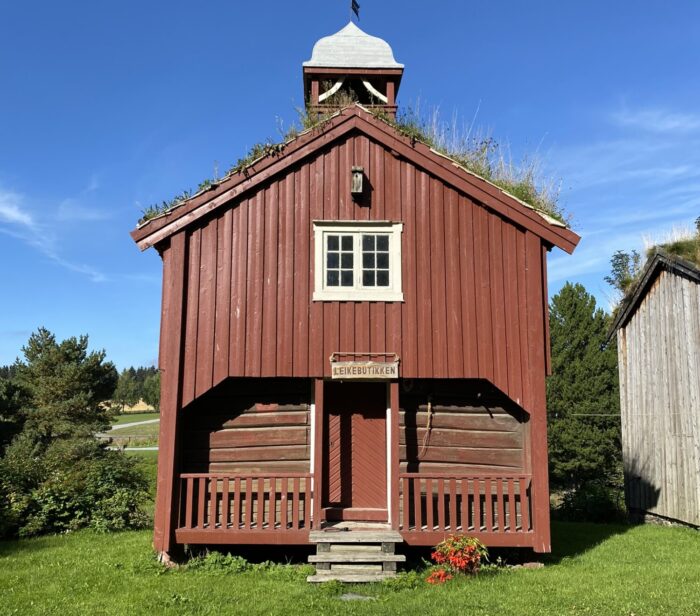
The heather cage
Two-storey storehouse from one of the village's large farms, Lyng near Stiklestad. Built in the 1850s.
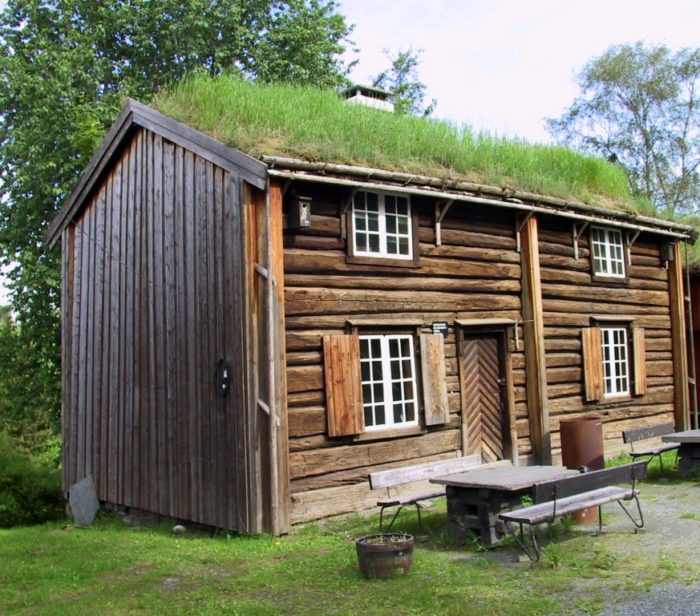
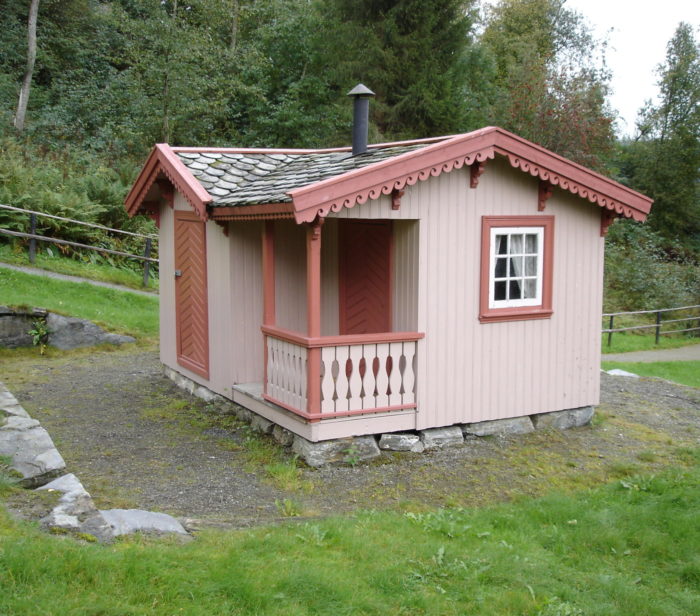
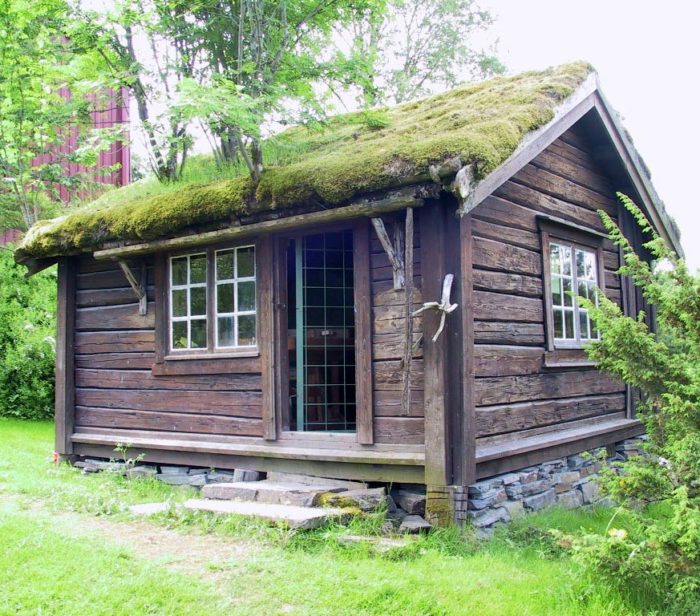
Kongsstuggu
Mountain lodge that accommodated travelers along Karl Johans road between Ådalsvollen and Skalstugan. Built in the 1830s.
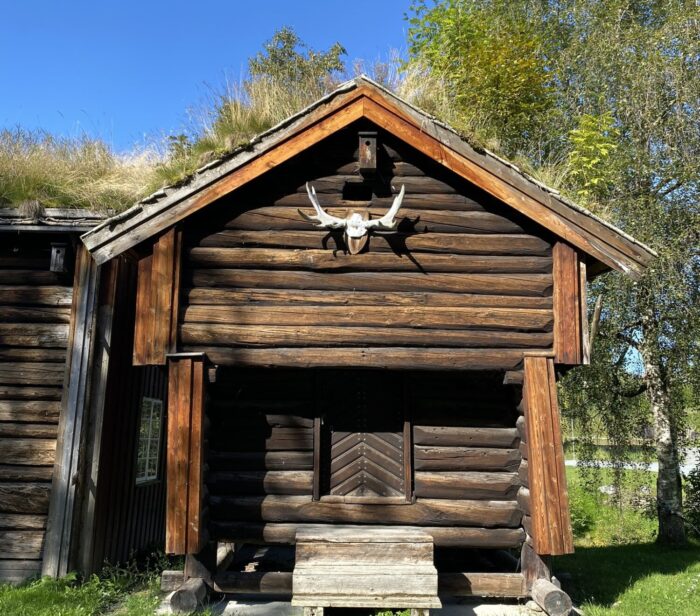
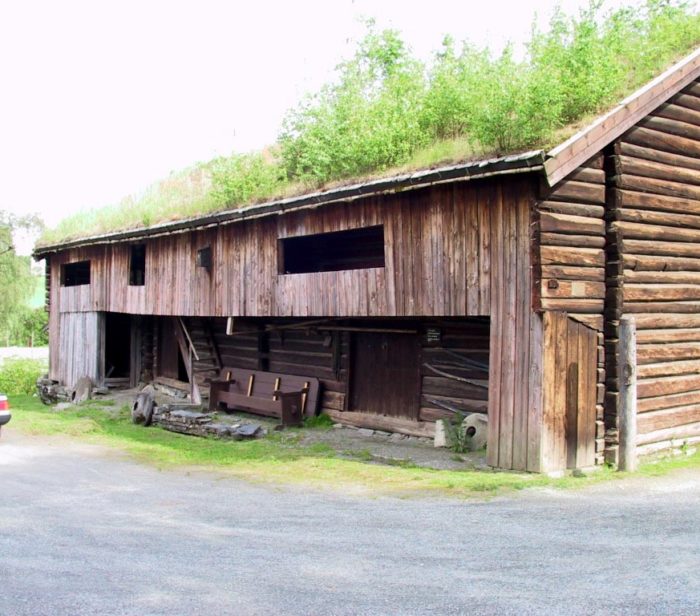
Carpenter's chew
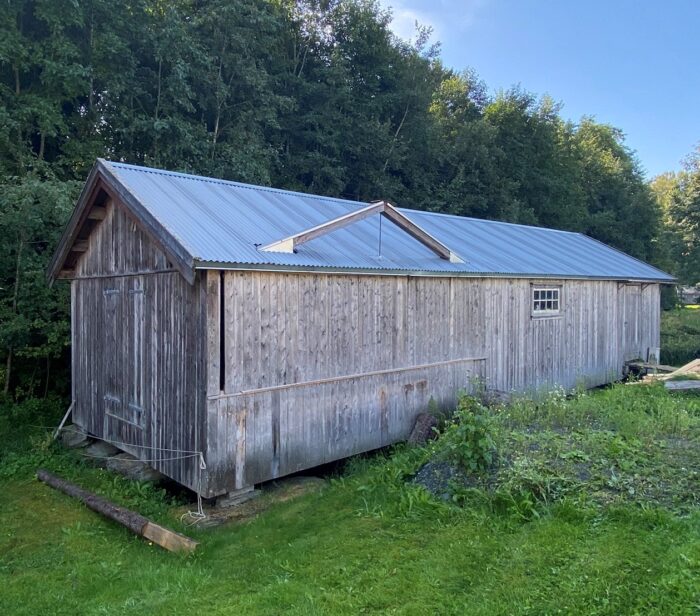
Stable and carpentry workshop, probably built in the early 1800th century on the farm Rønningen in Ulvilla in Verdal..
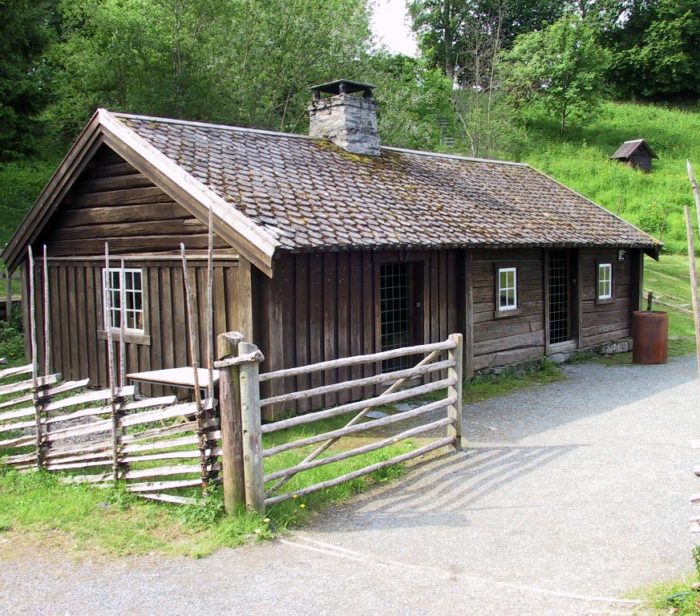
The forge and the drying house
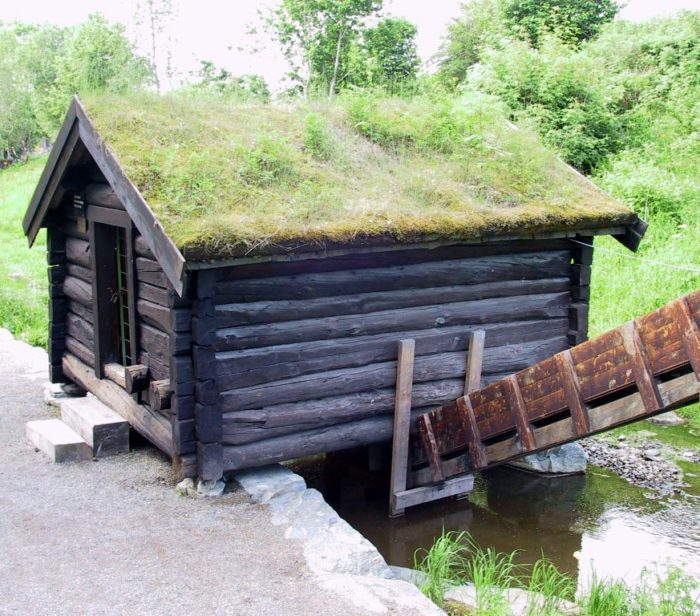
Combined forge and drying house, built on the farm Heggstad near Stiklestad in the 1800th century.
The road guard housing
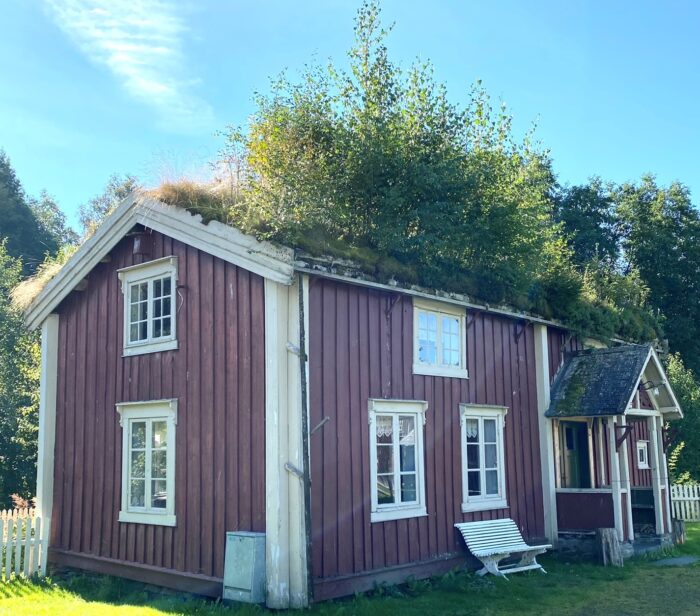
The country's first public road guard housing was acquired in 1870.
The bean flour cage
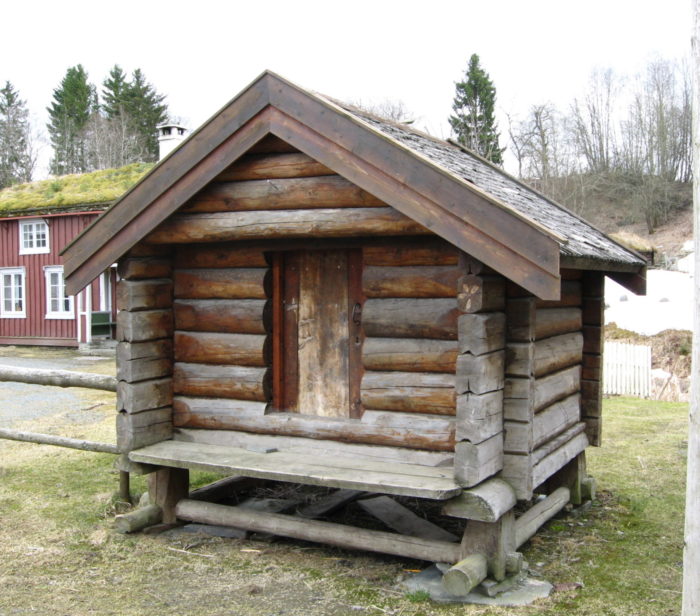
Stabbur from the small farm Bjønnmelen in Ulvilla in Verdal, probably built around 1700.
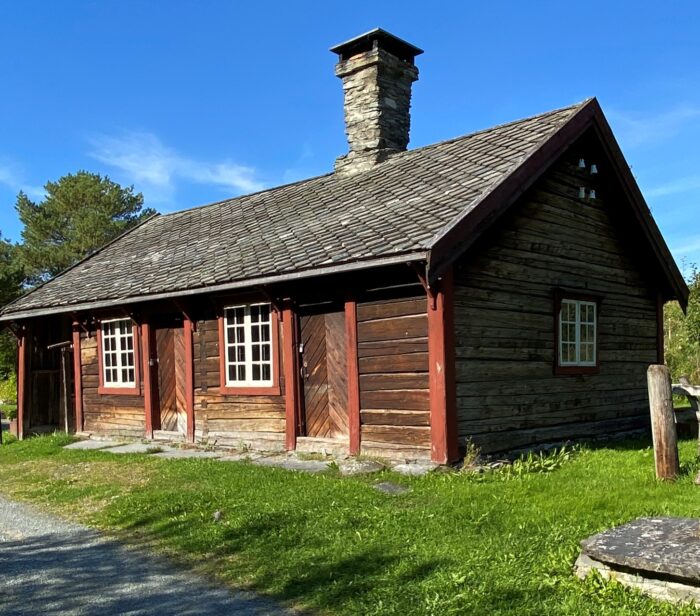
Bakery and krambu
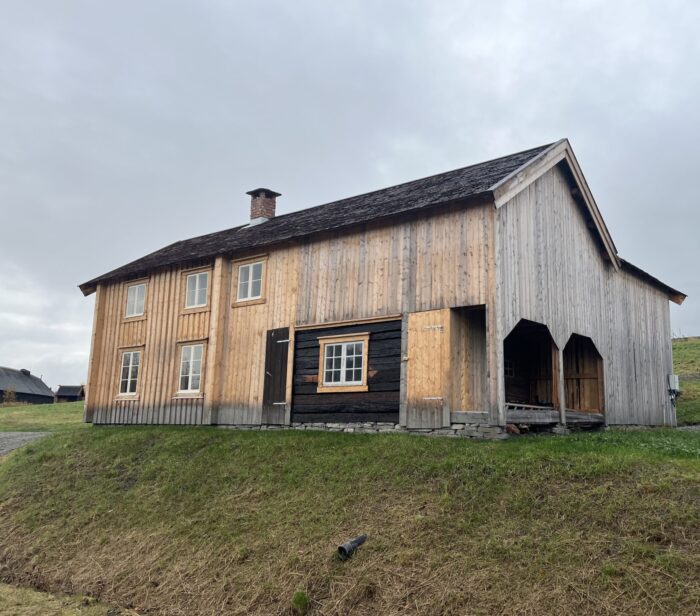
Building from Garnes in Inndalen in Verdal which houses a bakery, krambu and wood shed. Built approx...
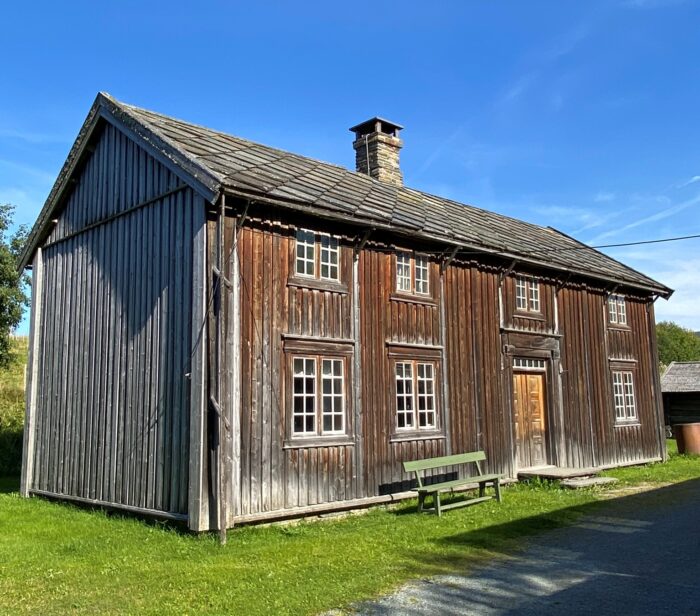
Almoåsstuggu
Lita trønderlån built in 1823 on the small farm Almoås østre in Skjelstadmarka, Stjørdal.
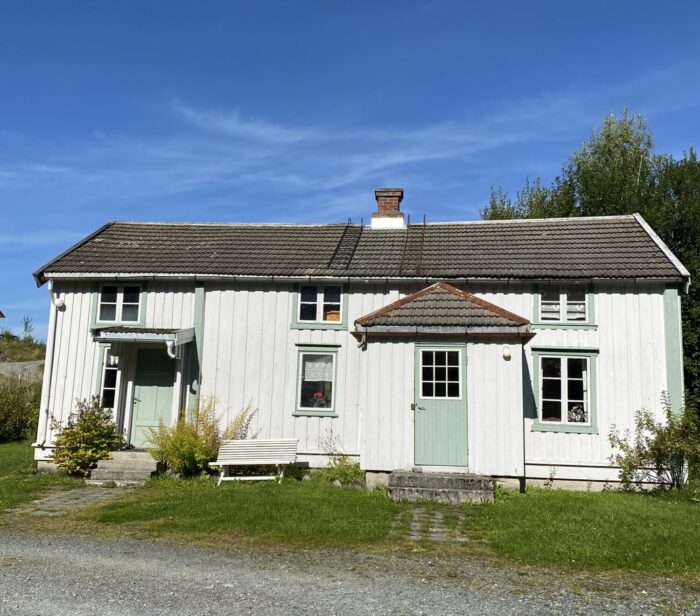
Gjersinghuset
Farmhouse from the densely populated area of Tinden on Verdalsøra. Built around 1850.
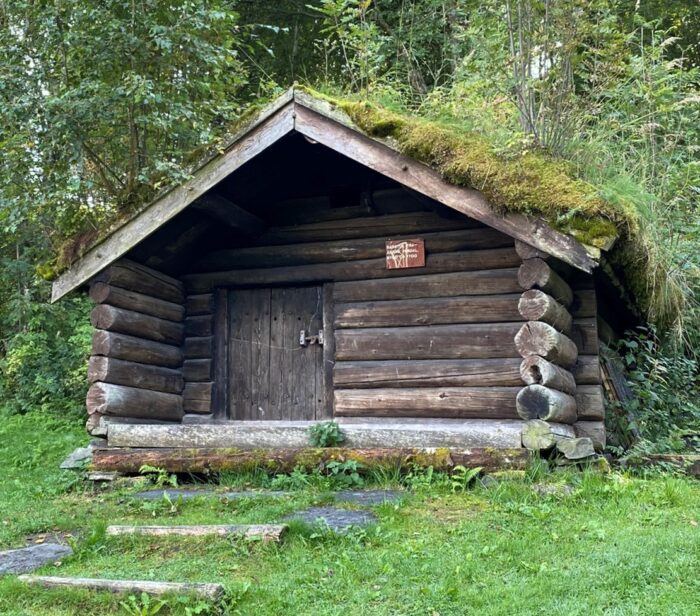
The maturity loan
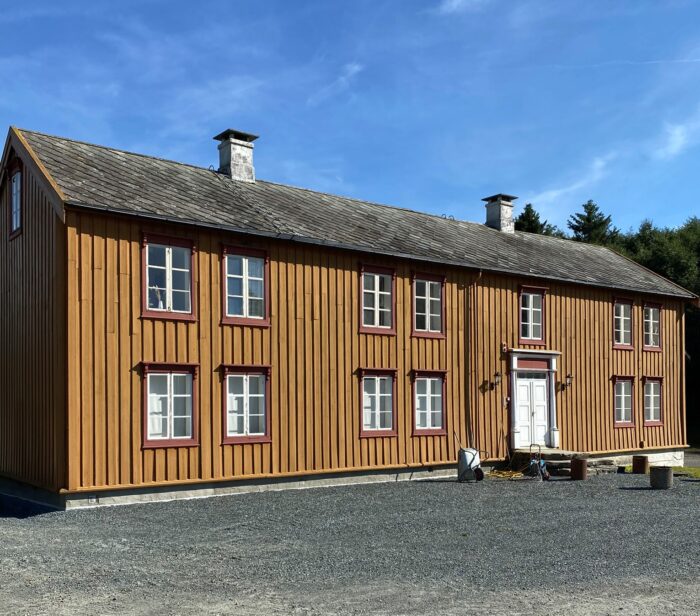
Trønderlån from the farm Stiklestad midtre, built in the 1850s by the Moksnes family.
The tent house
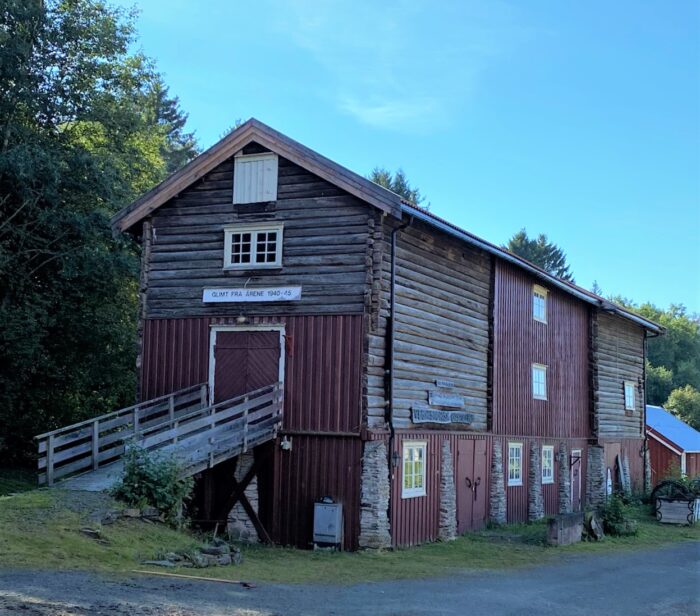
Two tent houses built for the Nordenfjeld dragoon regiment in Verdal and Levanger. Moved to Rinnleiret in 1881.
Ingvaldsengården with associated carpentry workshop
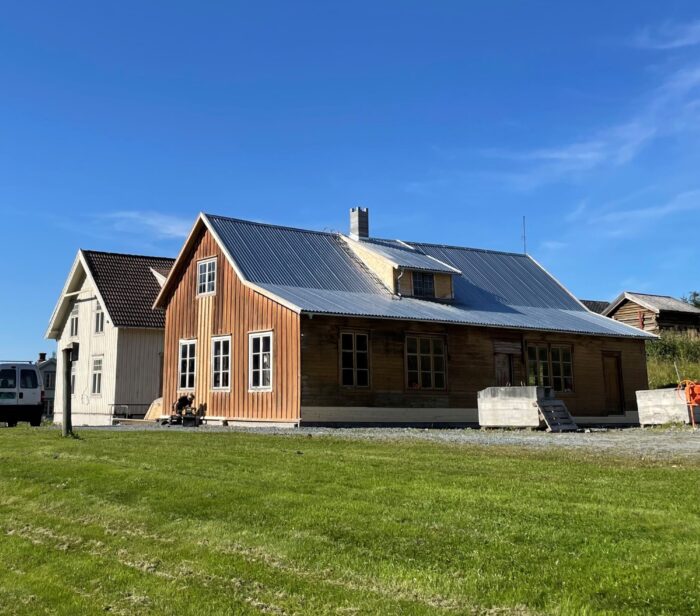
Ingvaldsengården is a complete farm near the city, which consists of a residential building, carpentry workshop and material warehouse. Carpentry workshop with...
The iron mining plant
Reconstruction of iron mining facilities with two types of blast furnaces.